


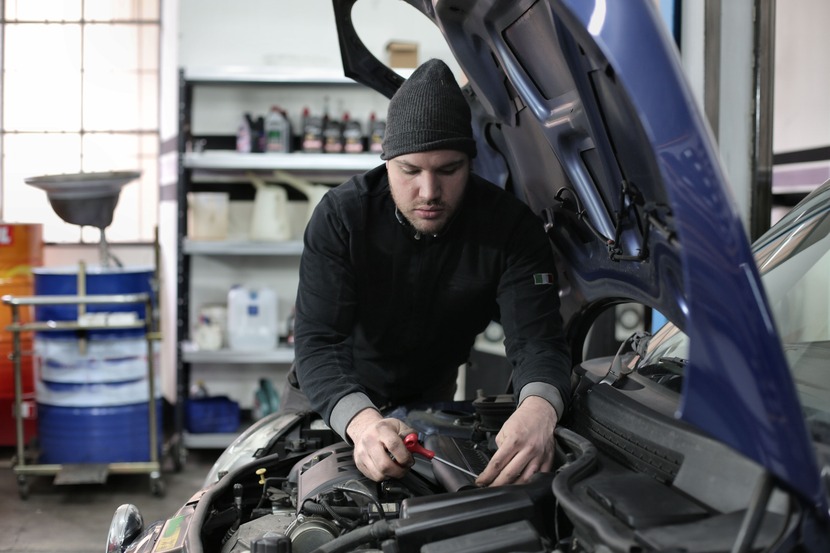
Many automotive professionals gain valuable skills through years of practical work, workplace training, short courses, and hands-on experience. However, having strong practical ability does not always mean having a formal qualification to prove it. RPL Qualification Automotive can provide an alternative pathway for experienced workers who want their existing skills and knowledge assessed against the requirements of a recognised qualification.
Recognition of Prior Learning, commonly known as RPL, is an assessment process that considers skills and knowledge gained through previous employment, training, life experience, and other relevant activities.
What Is RPL for Automotive Professionals?
RPL allows an experienced automotive worker to have their existing skills assessed rather than automatically repeating training for skills they already possess.
The assessment is based on evidence showing that the candidate can meet the requirements of the relevant units or qualification. Depending on their experience and the qualification being assessed, candidates may be asked to provide employment records, job-related documents, photographs, work samples, previous training records, or other suitable evidence.
An assessor may also discuss the candidate’s experience and ask questions to confirm their knowledge and practical abilities.
Who Can Apply for Automotive RPL?
Automotive RPL may be suitable for people who have developed skills through employment or other relevant experience but do not hold a formal Australian qualification.
Potential candidates can include automotive technicians, mechanics, service technicians, vehicle repair workers, workshop employees, and experienced professionals working in related automotive roles.
The important factor is not simply the number of years someone has worked. Their existing skills and knowledge need to align with the requirements of the qualification being assessed.
How Does the Assessment Work?
The process generally begins with identifying the qualification or units that match the candidate’s experience. An RPL assessor then discusses the candidate’s background and explains the evidence required.
The candidate gathers relevant evidence that demonstrates their competency. This could include employment references, job descriptions, certificates, workplace records, photographs, reports, or examples of completed automotive work where appropriate.
The assessor reviews the evidence and may conduct competency conversations, knowledge assessments, practical demonstrations, or other assessment activities where additional evidence is required.
The purpose is to determine whether the candidate can consistently demonstrate the required skills and knowledge.
Evidence for Automotive RPL
Good evidence should be relevant, current, authentic, and sufficient to demonstrate competency.
For an automotive professional, useful evidence may include employment history, workplace references, previous qualifications, training certificates, job cards, service documentation, inspection records, photographs of completed work, and other legitimate workplace evidence.
The exact evidence required depends on the qualification and units being assessed. Candidates should avoid creating evidence simply to satisfy an assessment requirement. Authentic workplace experience is the foundation of an RPL assessment.
Benefits of Automotive RPL
One of the main advantages of RPL Qualification Automotive is that it recognises existing capability. An experienced worker may not need to undertake full training for competencies they can already demonstrate.
RPL can also help professionals obtain a formal qualification that better reflects their existing experience. A recognised qualification may support career development, employment opportunities, further study, or professional progression, depending on the individual’s circumstances and industry requirements.
For employers, qualified employees can also help demonstrate that workplace teams have formally assessed skills relevant to their roles.
RPL Is Not Simply a Fast Certificate
It is important to understand that RPL is an assessment process, not a way to purchase a qualification.
Candidates must provide sufficient evidence and demonstrate the required competencies. If gaps are identified, the assessor may recommend additional training or assessment activities.
This approach helps ensure that the final qualification reflects genuine skills and knowledge rather than simply awarding a certificate based on years of employment.
Choosing an RPL Provider
When considering an automotive RPL pathway, candidates should check that the organisation delivering the qualification is appropriately registered and authorised to issue the qualification.
It is also important to ask how the assessment will be conducted, what evidence is required, what happens if competency gaps are identified, and which qualification or units are being assessed.
Candidates should be cautious of providers promising guaranteed qualifications without a genuine assessment process.
Preparing for Your Assessment
Before starting, create a record of your automotive experience. Include previous employers, job responsibilities, specialist tasks, workplace training, industry certificates, and relevant projects.
Collect genuine documents that demonstrate your experience and keep them organised. If you have worked across different automotive areas, explain the specific tasks you performed and the equipment or systems you used.
Being prepared can make it easier for the assessor to understand your existing skills and identify suitable evidence.
Final Thoughts
An RPL Qualification Automotive pathway can be valuable for experienced automotive professionals who have developed substantial skills through practical work but need formal recognition. Instead of automatically repeating learning that has already been achieved, RPL provides a structured assessment of existing competence.
The right pathway depends on your experience and the requirements of the specific qualification. By working with an appropriately registered training organisation and providing genuine evidence, experienced automotive workers can have their existing skills assessed through a professional and transparent process.
